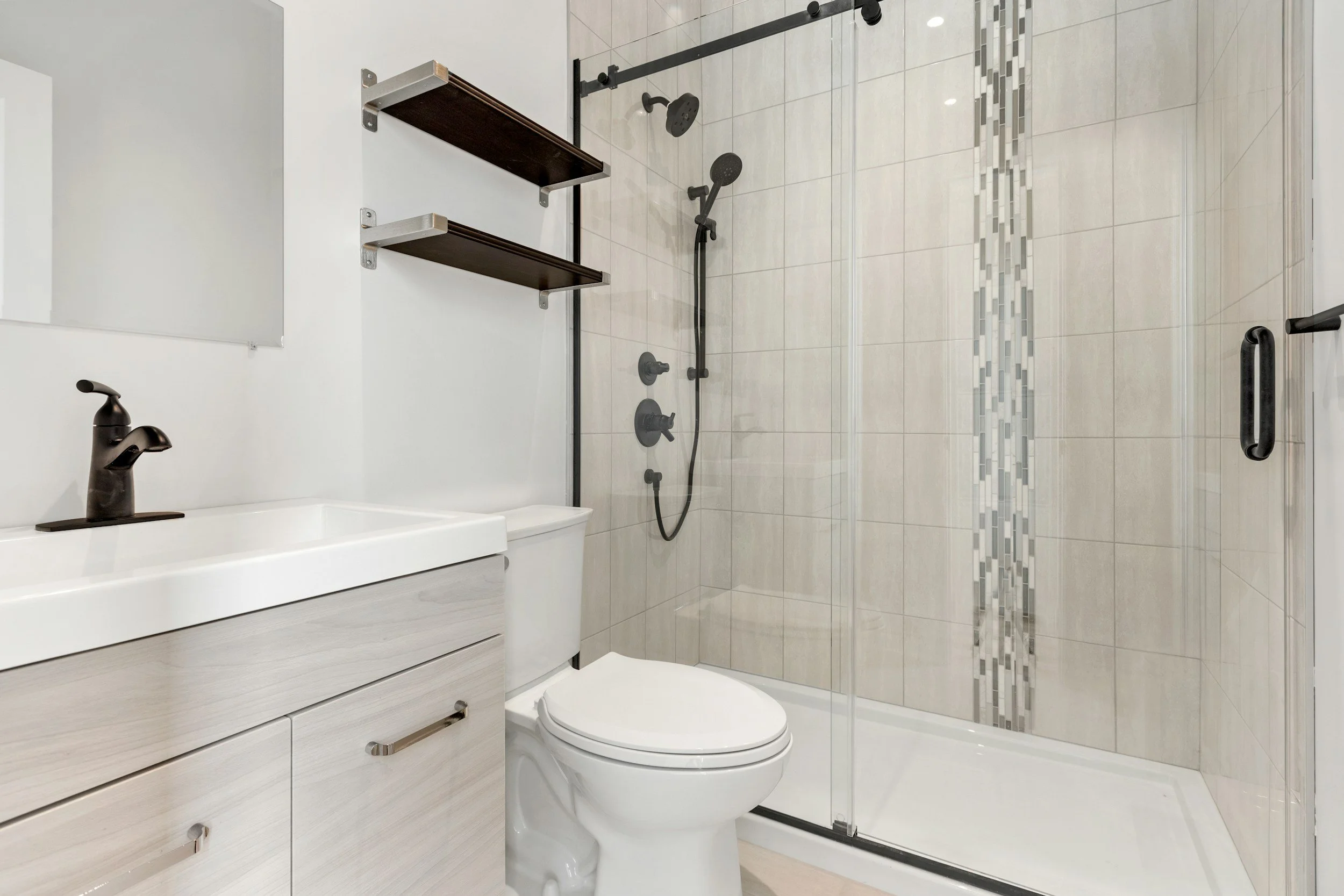
Accessible Bathroom Remodeling: Safe, Stylish, & Built for the Future
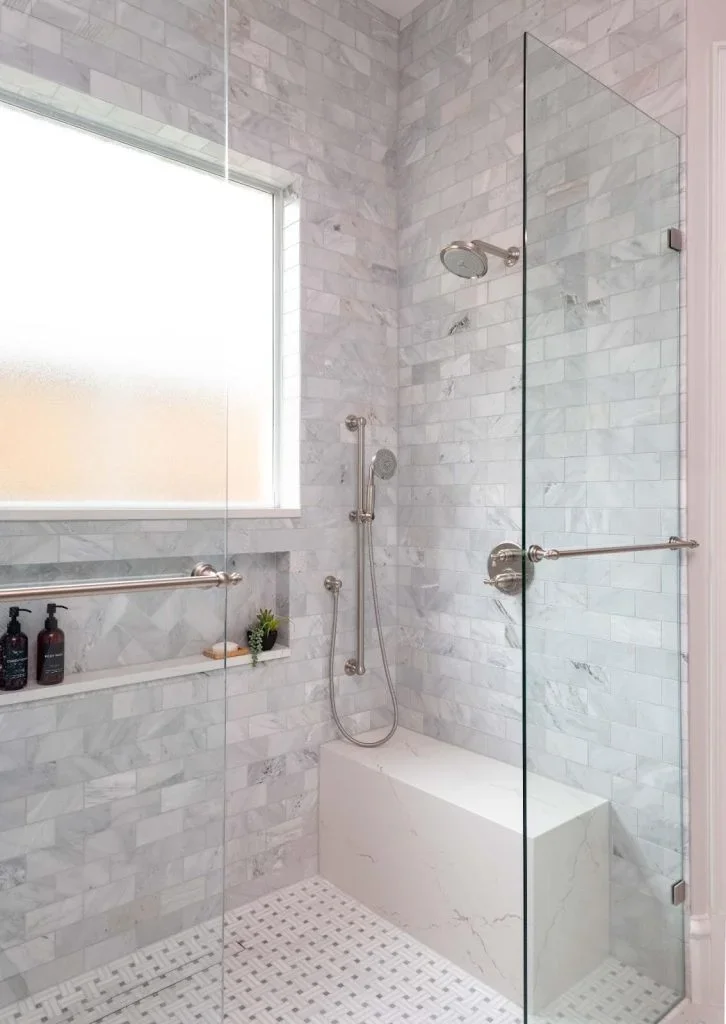
Your home should evolve with you—without ever losing the warmth and character that made you love it in the first place.
If you’re considering an accessible bathroom remodel in New Bern, the decision usually isn’t just about style. It’s about making the space easier to use now—and avoiding a rushed renovation later when safety or mobility becomes an urgent issue.
Most older bathrooms in the area weren’t designed with long-term use in mind. Common challenges include high tub walls, narrow shower entries, limited lighting, and layouts that feel tight or awkward to move through.
An accessible remodel is about removing those barriers while still keeping the bathroom visually aligned with the rest of the home.
What “Accessible” Means
In practical terms, an accessible bathroom is designed to reduce physical strain and improve safety without changing the feel of a normal residential bathroom.
That typically includes:
Easier entry into the shower (or no step at all)
Fewer tight turns or obstacles in the layout
Surfaces that reduce slip risk
Fixtures are placed at more comfortable heights
It doesn’t have to look medical or institutional. When planned well, it looks like a modern bathroom that simply works better.
The Most Common Upgrade
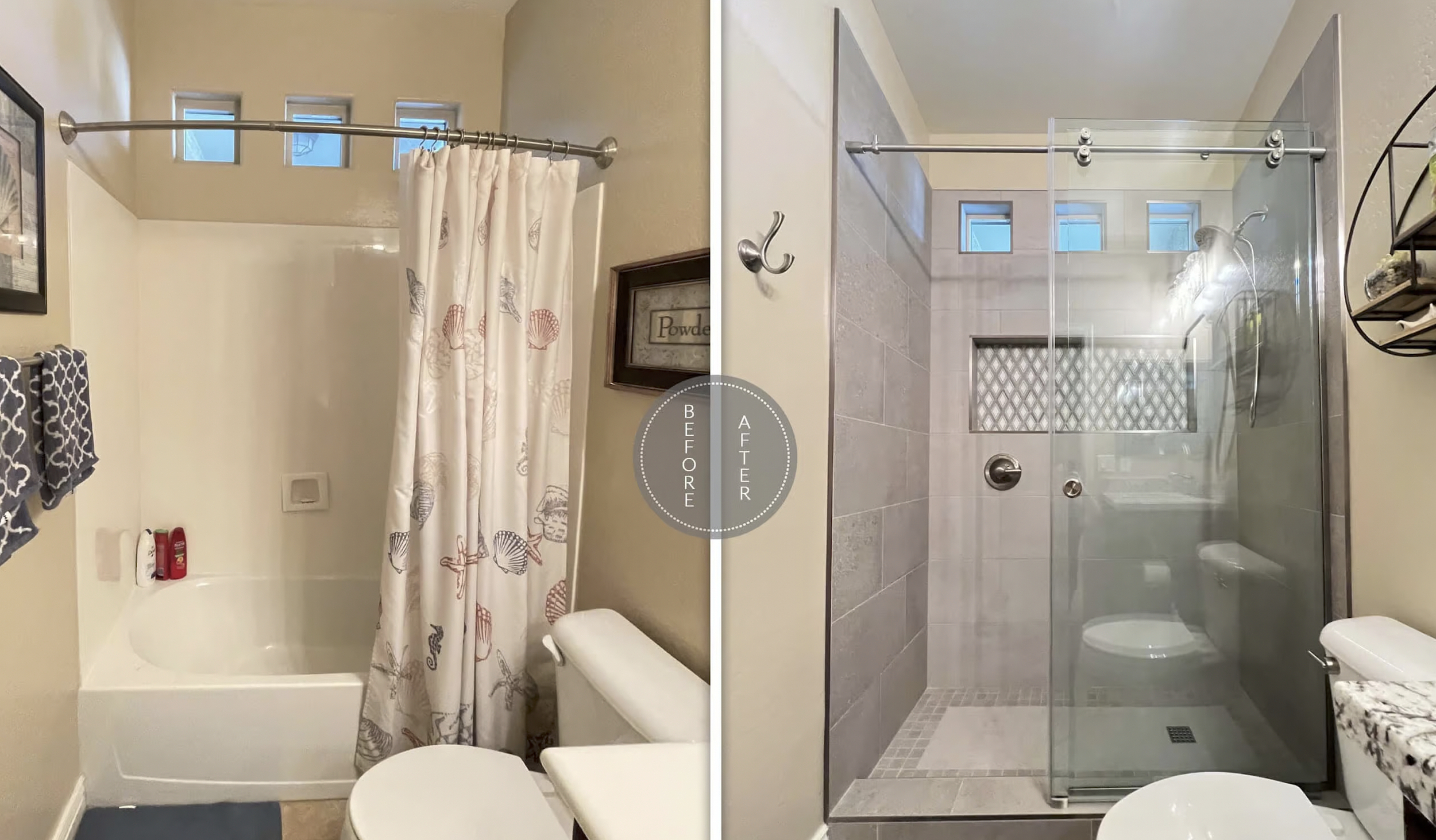
In many homes, the biggest limitation is the standard tub/shower combo. It takes up space, can be difficult to step into, and often doesn’t match how homeowners actually use the bathroom.
A walk-in or curbless shower typically solves this by:
Removing the step-over edge
Opening up floor space visually and physically
Allowing for bench seating if needed later
Making cleaning simpler
Features that Improve Safety Without Changing the Look
Not every accessibility improvement is obvious at first glance. Some of the most effective upgrades are subtle:
Slip-resistant tile that still looks like stone or wood
Better lighting in the shower and vanity areas
Grab bars that are integrated into the design instead of being added later
Handheld shower heads for flexibility
Wider clear floor space for easier movement
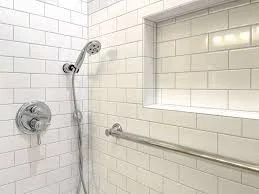
Safety features added to shower
When Do Homeowners Start Thinking About This Type of Remodel
In our experience, people usually start considering accessibility upgrades in three situations:
After a minor fall or near-miss in the bathroom
When helping aging parents stay at home safely
During a larger remodel, when the bathroom is already being updated
Planning earlier usually gives more design flexibility and avoids emergency changes later.
Design vs. Function: You Don’t Have to Choose
A common concern is that an accessible bathroom will feel like a compromise. In reality, most of the same design choices used in high-end bathrooms—clean tile layouts, frameless glass, neutral finishes—are also what make a bathroom easier to use and maintain.
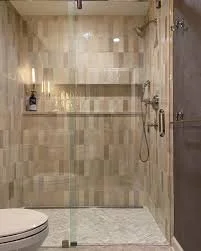
Both beautiful and functional
Working With a Design-Build Team
At Creative Spaces New Bern, accessibility projects are handled as part of full design-build remodeling. It means the same team handles design, planning, and construction.
This matters because accessibility upgrades often involve:
layout changes
plumbing adjustments
tile and waterproofing work
fixture placement decisions that affect long-term use
When those pieces are coordinated, the result is typically more functional and cohesive.
The Bottom Line
An accessible bathroom remodel isn’t just about preparing for the future. It’s about making a bathroom that is easier and safer to use every day—without giving up a modern, well-designed look: